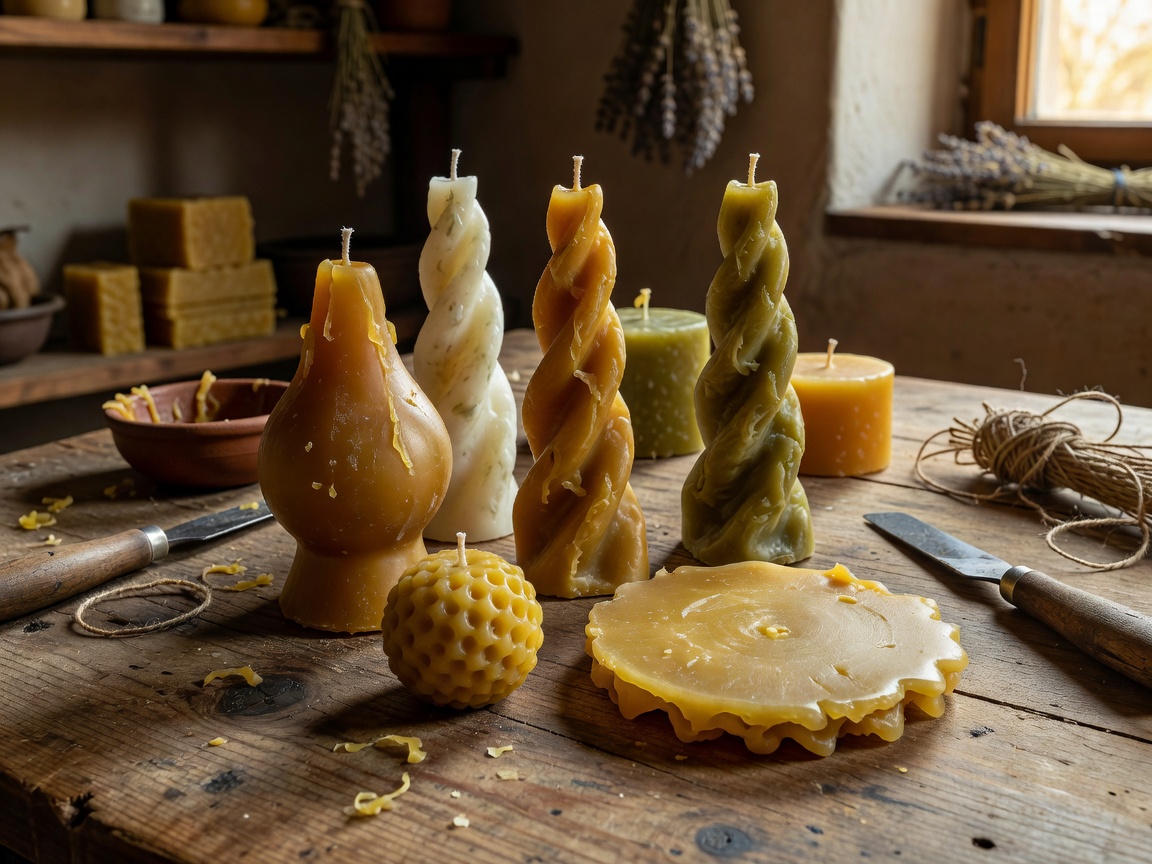
01 / TechniqueAcross Europe
Candle-Making Techniques
Compare poured, dipped, rolled and molded forms by process, finish and small-studio suitability.
FormProductionFinish
Read the technique guide
A craft reference · Europe
A practical guide to European candle makers, traditional techniques, materials and modern studio practice.
Independent educational reference. Historical context is distinguished from contemporary studio practice.
The atlas
Explore how candle form, material, place and studio practice shape the work.
Compare poured, dipped, rolled and molded forms by process, finish and small-studio suitability.
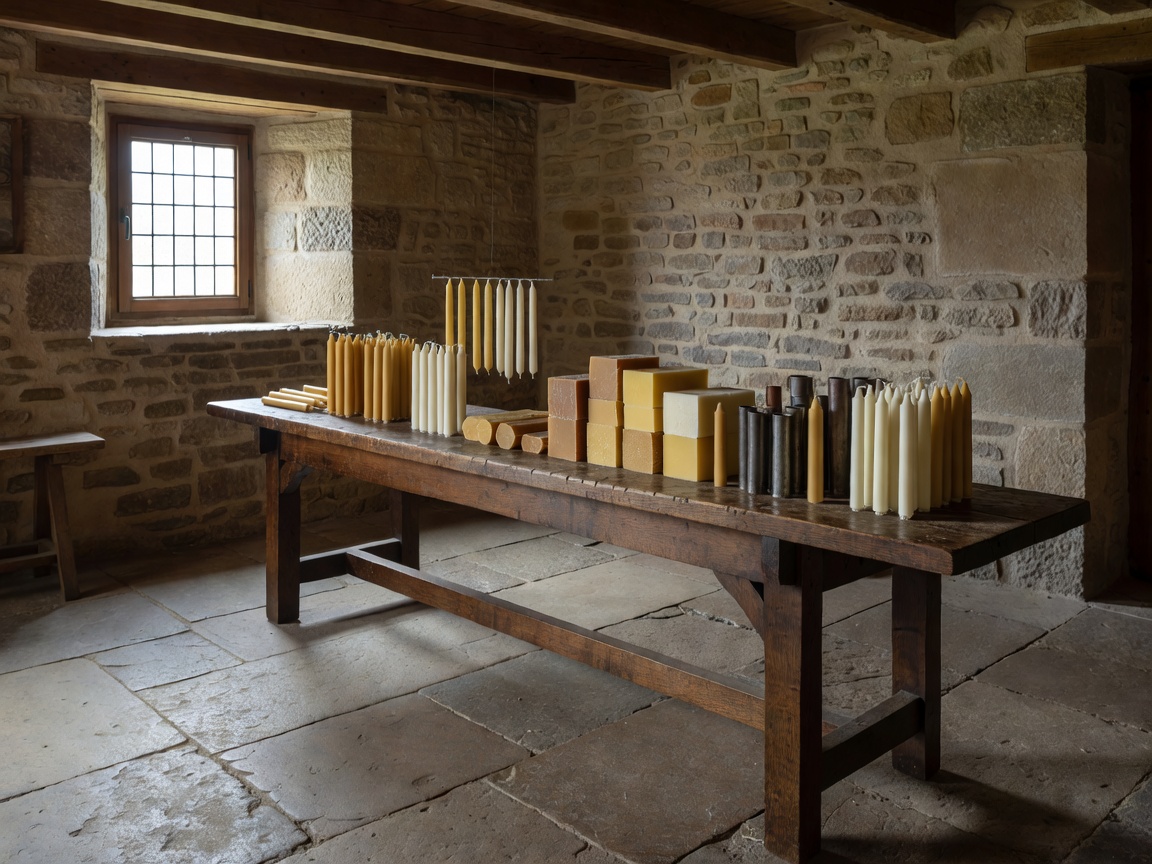
Trace how wax supply, household lighting, faith, trade and decorative arts shaped regional craft.
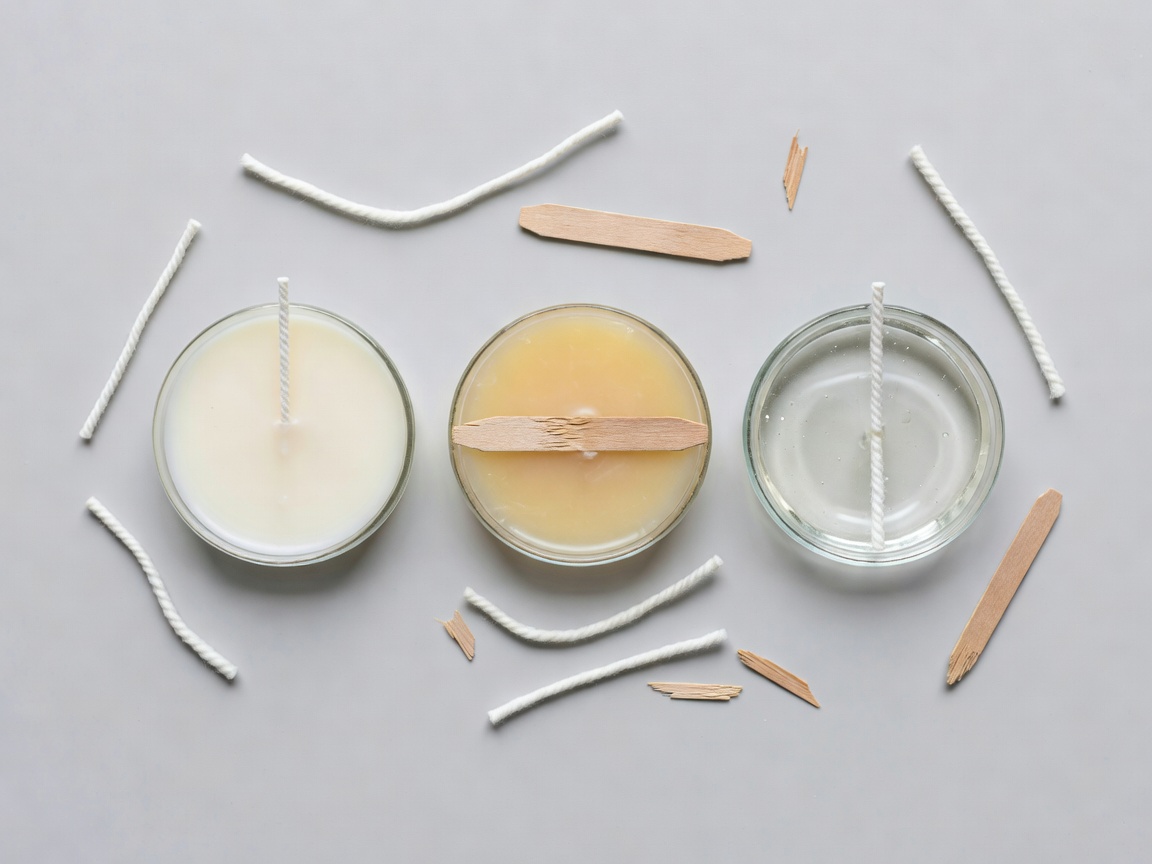
Understand the roles of wax, wick, vessel and additives before comparing formulations.
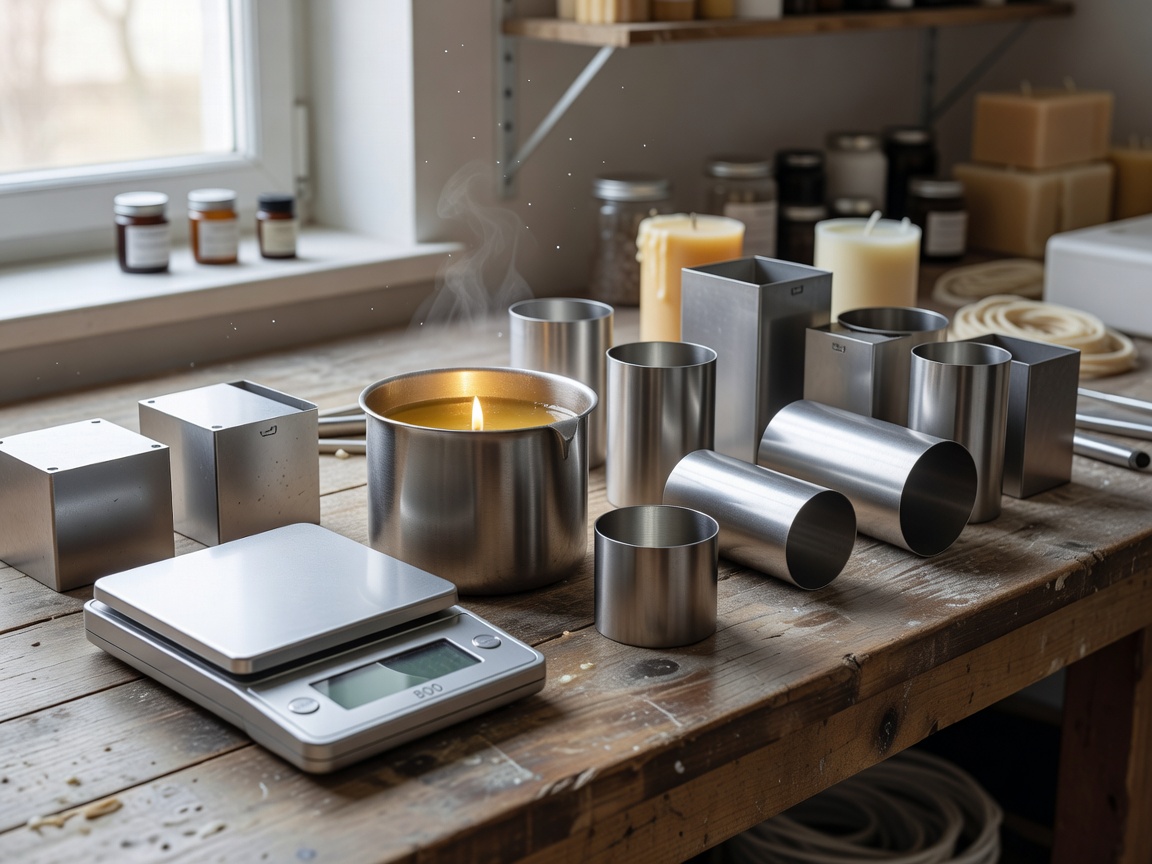
Map the equipment and routines that support orderly, documented candle production.
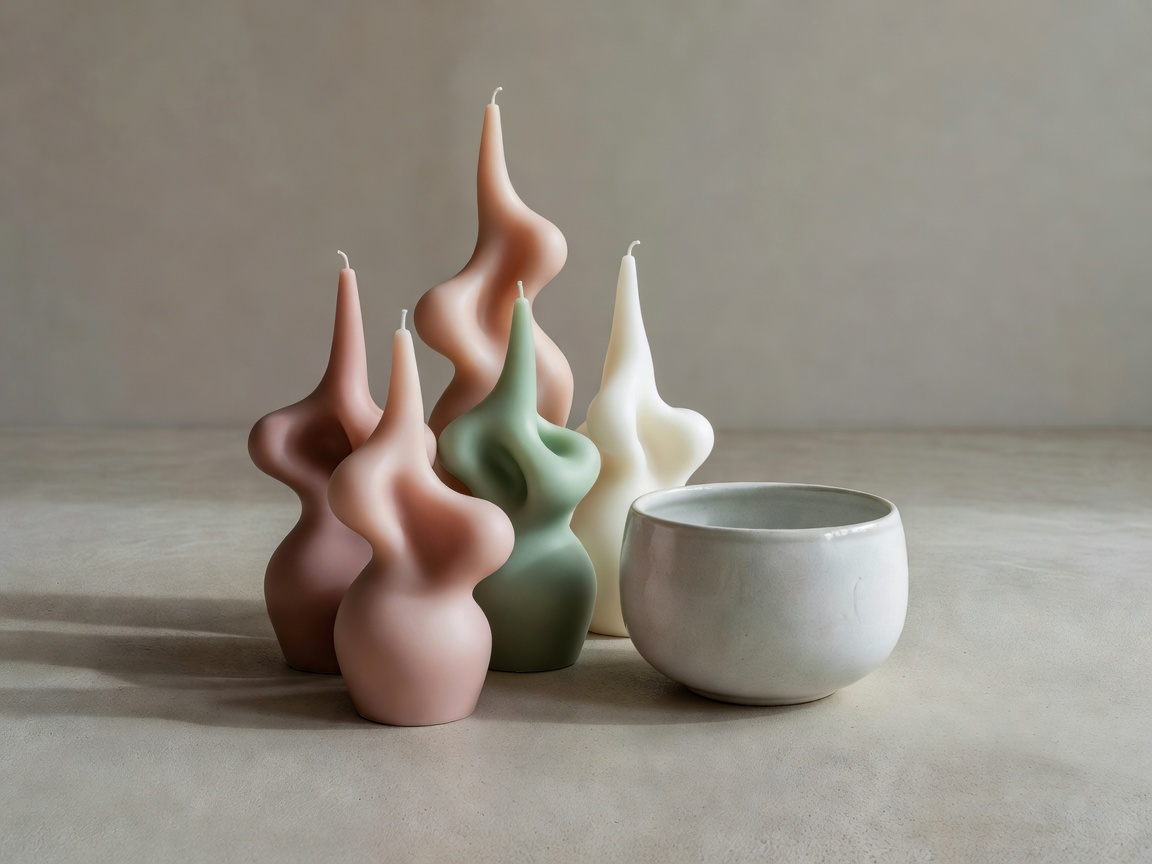
See how contemporary makers adapt historic forms through small batches, sculptural design and material choices.
A high-level framework
A sequence for understanding production choices. It is not a workshop procedure.
The main fuel and structural material. Formulation affects appearance and behavior.
A selected wick supports controlled fuel delivery. Size and construction must suit the candle.
Vessel, mold or free-standing shape sets the candle’s geometry and constraints.
A production stage managed with suitable equipment and material guidance.
Cooling and setting influence the surface. Conditions vary by formulation and form.
Trimming, inspection, labeling and records help define a consistent finished object.
Workshop boundary: Follow equipment and material manufacturer instructions. Use suitable heat management, ventilation and fire-safety practices.
Questions about the atlas?
Use the contact page for corrections, accessibility notes or editorial questions.